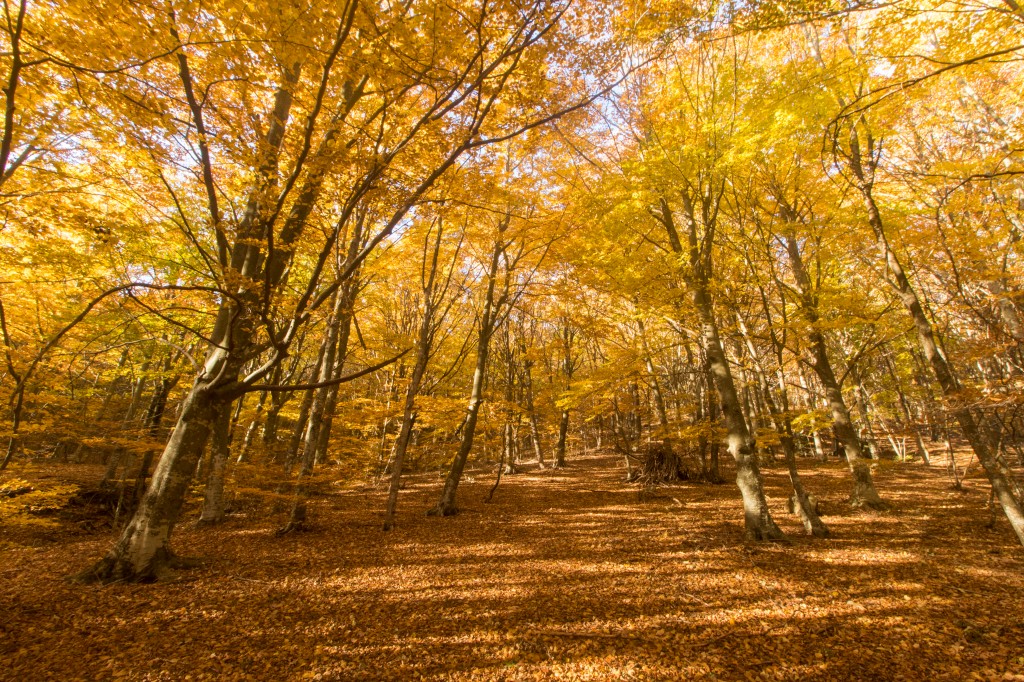
The Montseny is a protected natural space that represents an important source of biodiversity for our country. In this massif, you will find everything represented from Mediterranean lowland ecosystems to subalpine environments of the highest peaks, passing through humid mid-mountain forests. And if you do the Tourdera in its sections through the Montseny, you will easily see it, passing from Mediterranean holm oak forests on the sunny slopes to beech forests in the cooler and wetter areas.
Taking advantage of the fact that Nature Week is celebrated between May 22nd and June 5th, we thought it would be interesting to talk about biodiversity at home, highlighting the fact and the luck we have to be in a country so rich in this aspect, as you can see in the following video:
If you decide to do any section of the Tourdera, be sure to visit the Natural Park page dedicated to leaflets and guides to identify species, both flora and fauna, where you will find a “Basic Flora Guide of the Montseny” or “Invasive Exotic Flora”, or “Basic Vertebrate Fauna”, “Raptor Guide”, “Amphibian Guide”, etc.
The biodiversity of natural spaces is closely linked to environmental conditions but also to the human activities that take place there. Protected areas, such as the Montseny Natural Park, are a key piece of the conservation of this biodiversity, favoring management and conservation measures for species and ecosystems. In the Montseny, for example, there are more than 1,600 different species of plants, some are even endemic to the Montseny and the Guilleries, so they are not found anywhere else in the world, such as the Viola bubanii, Saxifraga vayredana, etc.
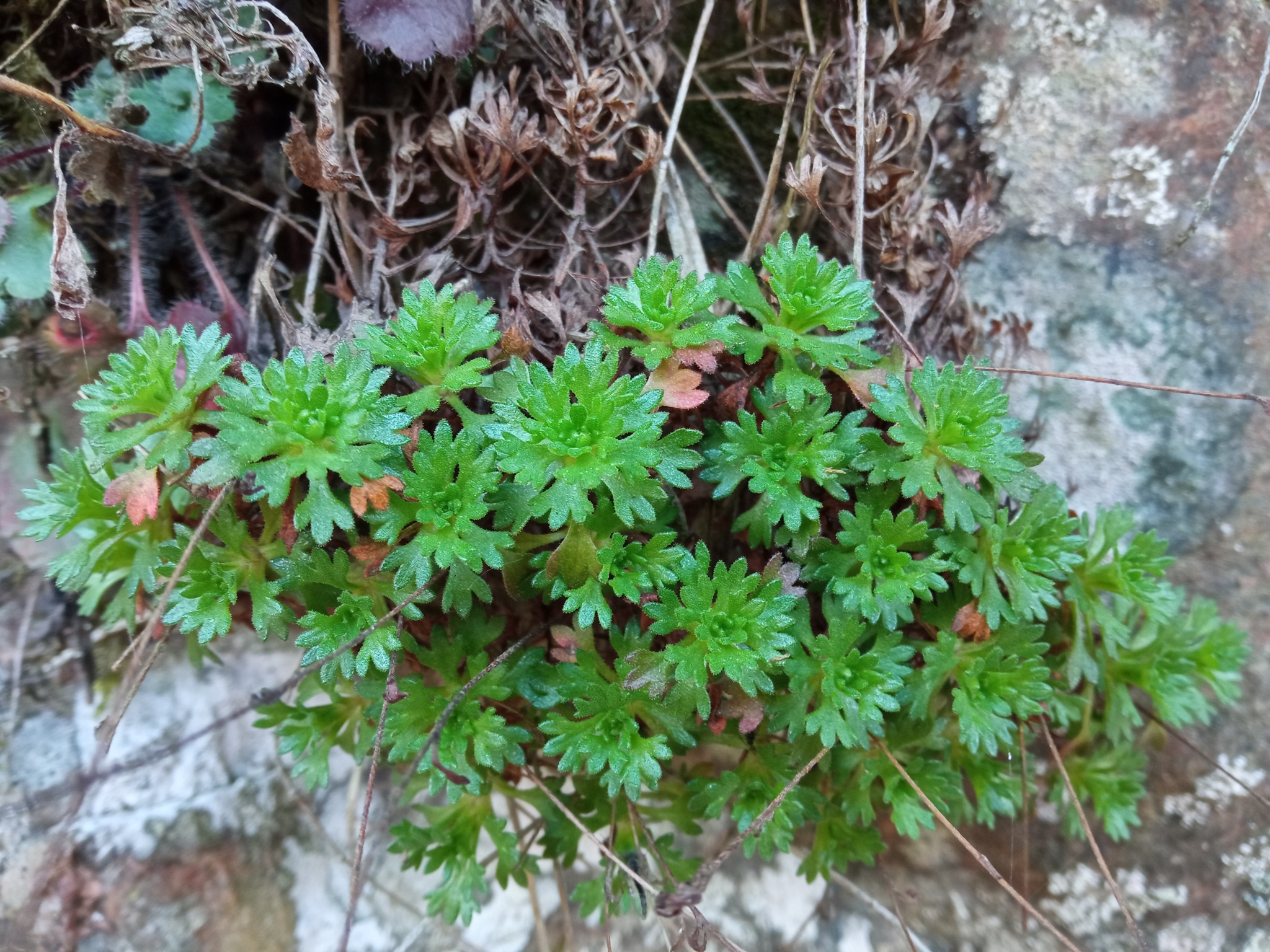
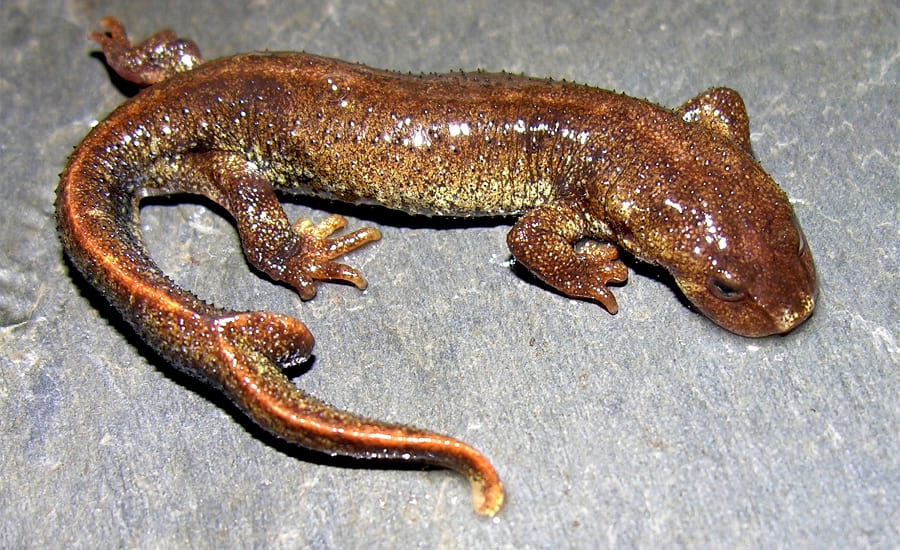
On the other hand, the invertebrate fauna of the Montseny is also very diverse, although also very unknown. Many of these small animals go unnoticed but have a key role in the functioning of ecosystems. The Montseny hosts some very unique species, such as the tiny subterranean beetle Parvospeonomus canyellesi (endemic to the massif), or the well-known Montseny newt Calotriton arnoldi (also endemic to the Montseny).
We encourage you, therefore, to do some of the sections of the Tourdera, either on its main itinerary or in its part along the Arbúcies stream, to enjoy and observe all the nature and biodiversity it hosts. And remember that you must always be respectful of the natural environment and ecosystems, as we informed you in this article on advice for civility in nature. And if you want more information about the park, be sure to visit its website.