Public transport, sharing a vehicle, looking for activities that can be done by bicycle or on foot, etc. The smallest grain of sand is enough for us to improve the situation of hyper-mobility in which we live. Today we give you some proposals on how you can move sustainably through the Montseny Natural Park (Biosphere Reserve).
As you know, the Montseny Natural Park is located in the Catalan pre-coastal range, of which it is the highest massif and occupies an area of 31,064 hectares. This fact, on one hand, makes it attractive and unique, but on the other hand, it causes mobility within the park to be mainly by road. For this reason, limiting motorized access to the Montseny has been a priority in recent years, as well as reducing the number of vehicles or promoting forms of more sustainable mobility.
To give an example of the high influx of cars, on an autumn day around the Santa Fe del Montseny Reservoir, more than 1,000 people move, which means more than 400 poorly parked vehicles in Santa Fe and more than 200 in the Fontmartina area. So here we give you some tips to make your mobility to the Park more sustainable:
1- Use public transport
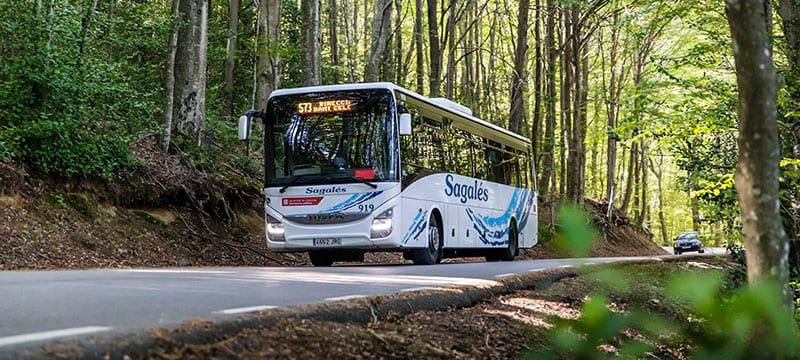
Public transport is a great alternative for accessing the Montseny. You can access it by train to the municipalities of Aiguafreda, Balenyà, Breda, el Figaró, la Garriga, Riells i Viabrea, Sant Celoni, and Santa Maria de Palautordera. The bus stops in the municipalities of Aiguafreda, Cànoves i Samalús, el Figaró, la Garriga, Tagamanent, Gualba, Sant Celoni, Campins, Fogars de Montclús, Santa Fe, Santa M. de Palautordera, Sant Esteve de Palautordera, and Viladrau.
Furthermore, the Bus Parc offers combined train and bus tickets every Saturday, Sunday, and public holiday of the year, except Christmas and New Year’s. Currently, there are 5 regular lines to access the Park by bus. From most Bus Parc stops, signposted itineraries depart, suitable for all audiences. You will find all the information at this link.
2- Share or prioritize electric mobility
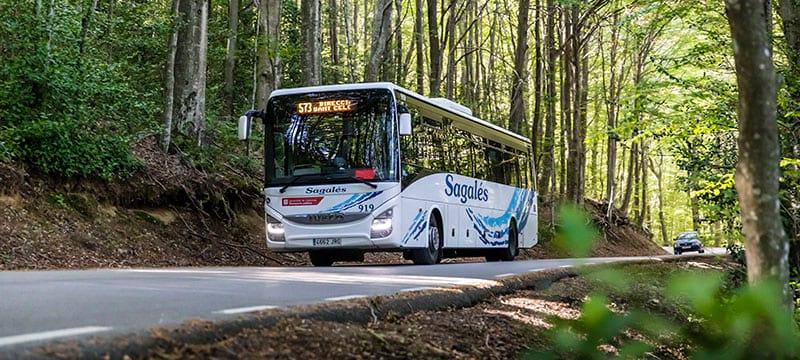
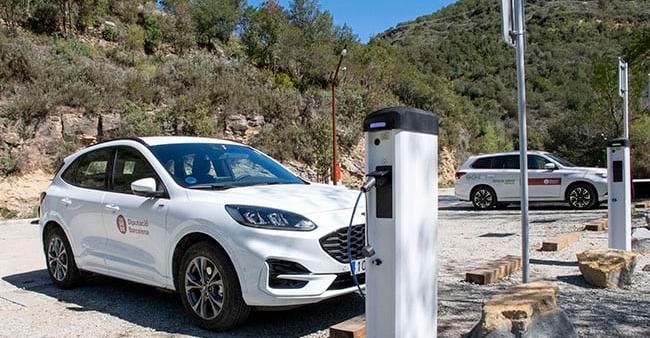
The transport sector contributes 28% to greenhouse gas emissions in Catalonia (Catalan Office for Climate Change, 2017), therefore, whenever you can, share a car with other users! Or, if you have an electric vehicle, remember that the Park’s parking areas have about fifteen charging points. And the municipalities of Breda, Santa Maria de Palautordera, Seva, Taradell, or Viladrau also offer vehicle charging points.
Given the problem of uncontrolled parking, the Park has enabled up to 12 parking areas, located in strategic points from where signposted routes and itineraries depart: Can Cruspinell, la plana Amagada, Can Domènec, Coll de Bordoriol, Collformic, Font de Passavets, Plana dels Bombers, Sant Marçal I, Santa Fe, Santa Helena, Sesferreres, or Vallfornès.
4- Discover the park with signposted itineraries
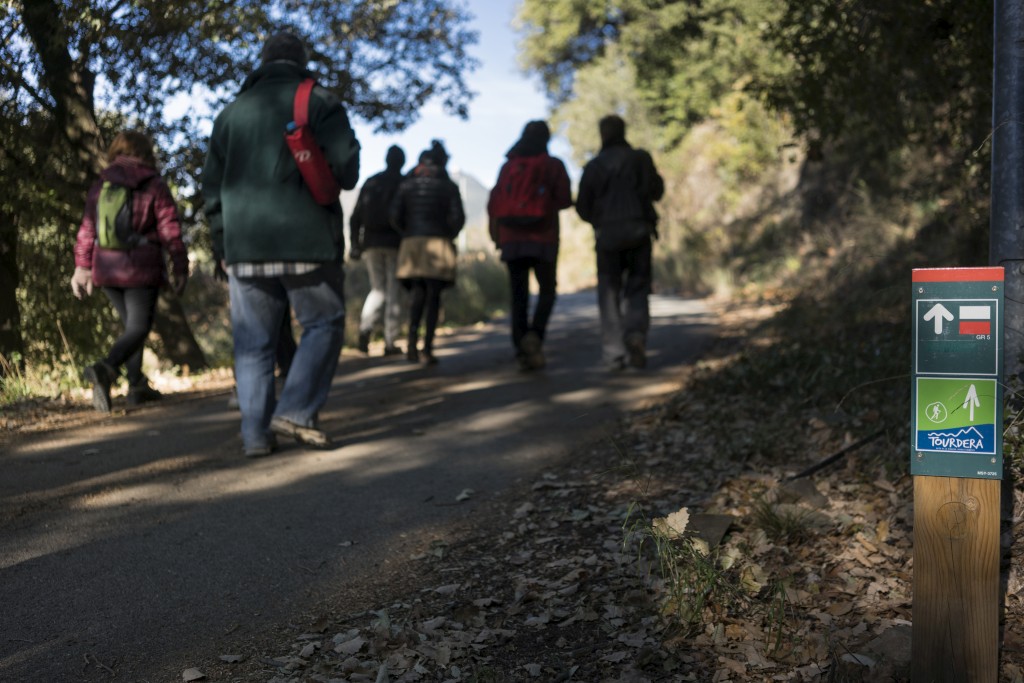
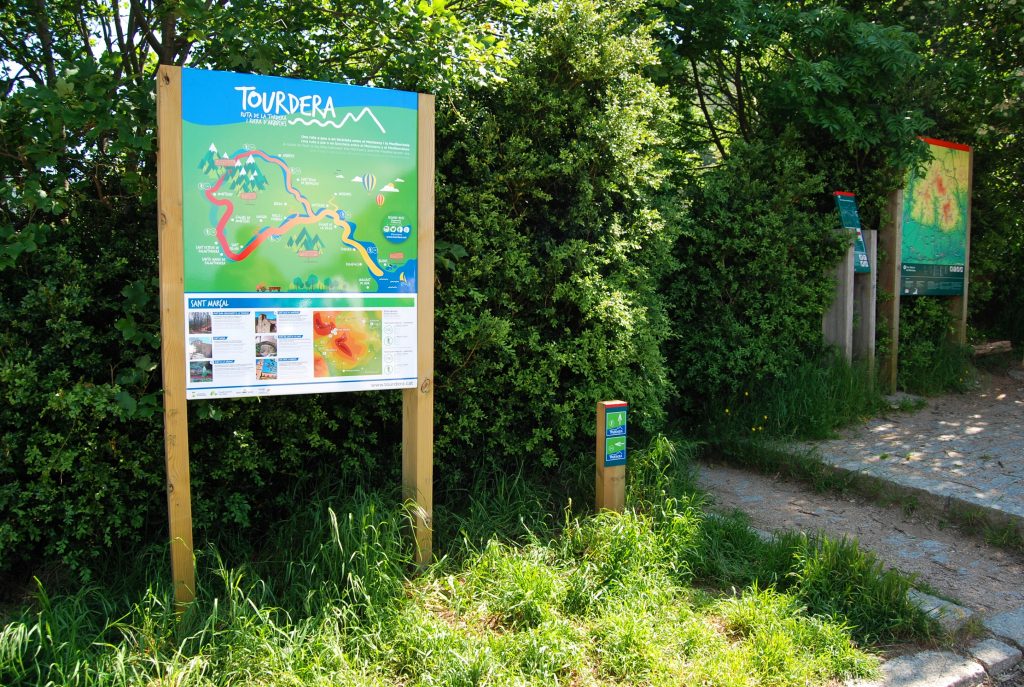
In the Park, there are more than 35 signposted itineraries, including our “Ruta de la Tordera i riera d’Arbúcies”. Exploring the Natural Park on foot is the best option to consider, always using the network of signposted itineraries where each itinerary will help you learn a little more about the natural and cultural heritage of the territory. The Park offers you all the information on its itineraries, with their own track and information on the characteristics. Some of the itineraries are adapted for people with mobility or visual disabilities. Check out the Park’s itineraries here.