The mouth of the Tordera River is one of the gems of the Tourdera territory which, fortunately, has managed to improve its status in recent years following Storm Gloria and the restriction of access to a large part of its extent. We have prepared a short article with information about this very interesting natural area, which we must all help to preserve.
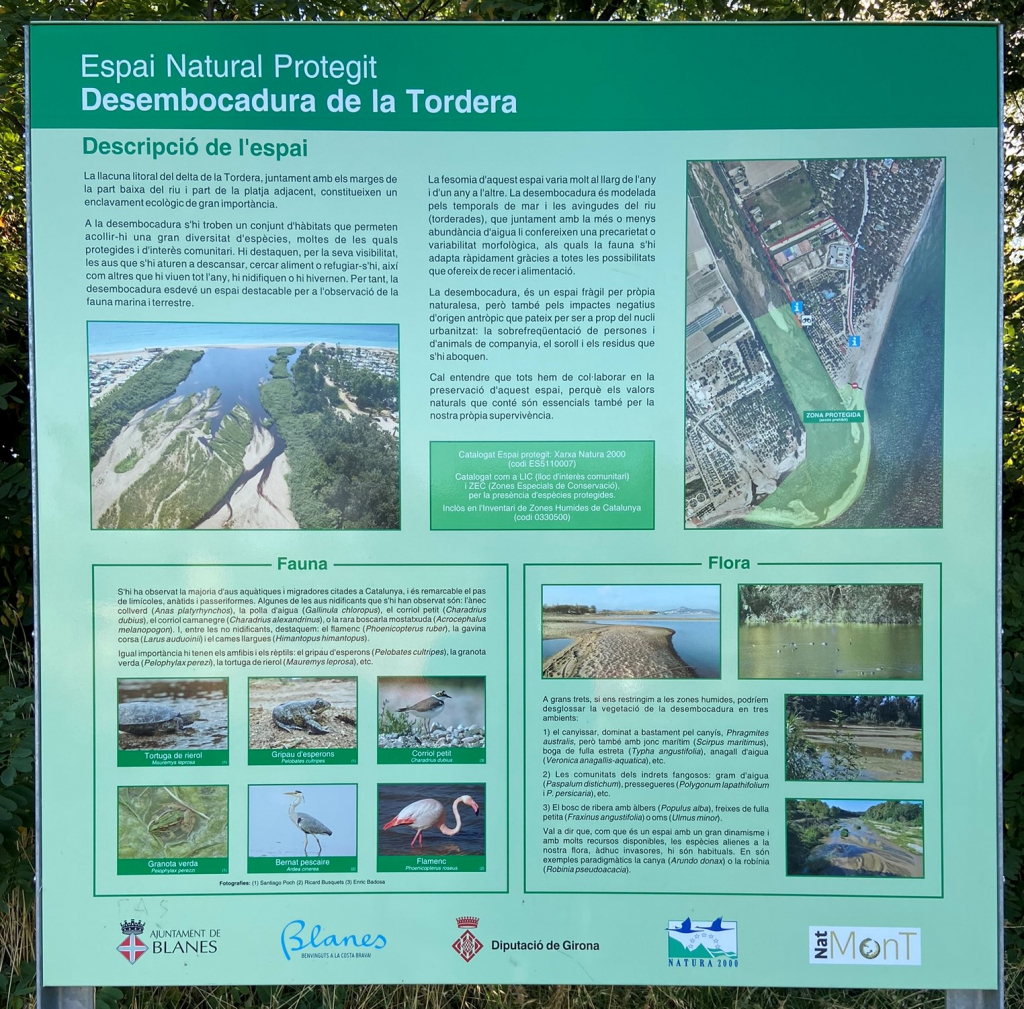
As you know, the Tordera River rises at the Font Bona in Sant Marçal, in the heart of the Montseny massif. After covering approximately 61 km and collecting water from the entire basin, the water reaches the sea and forms a lagoon at the river mouth. This is what we know as the Tordera mouth, a strategic space for many migratory birds that take advantage of the site as a resting and refuge area, between the Empordà wetlands and the Ebro Delta.
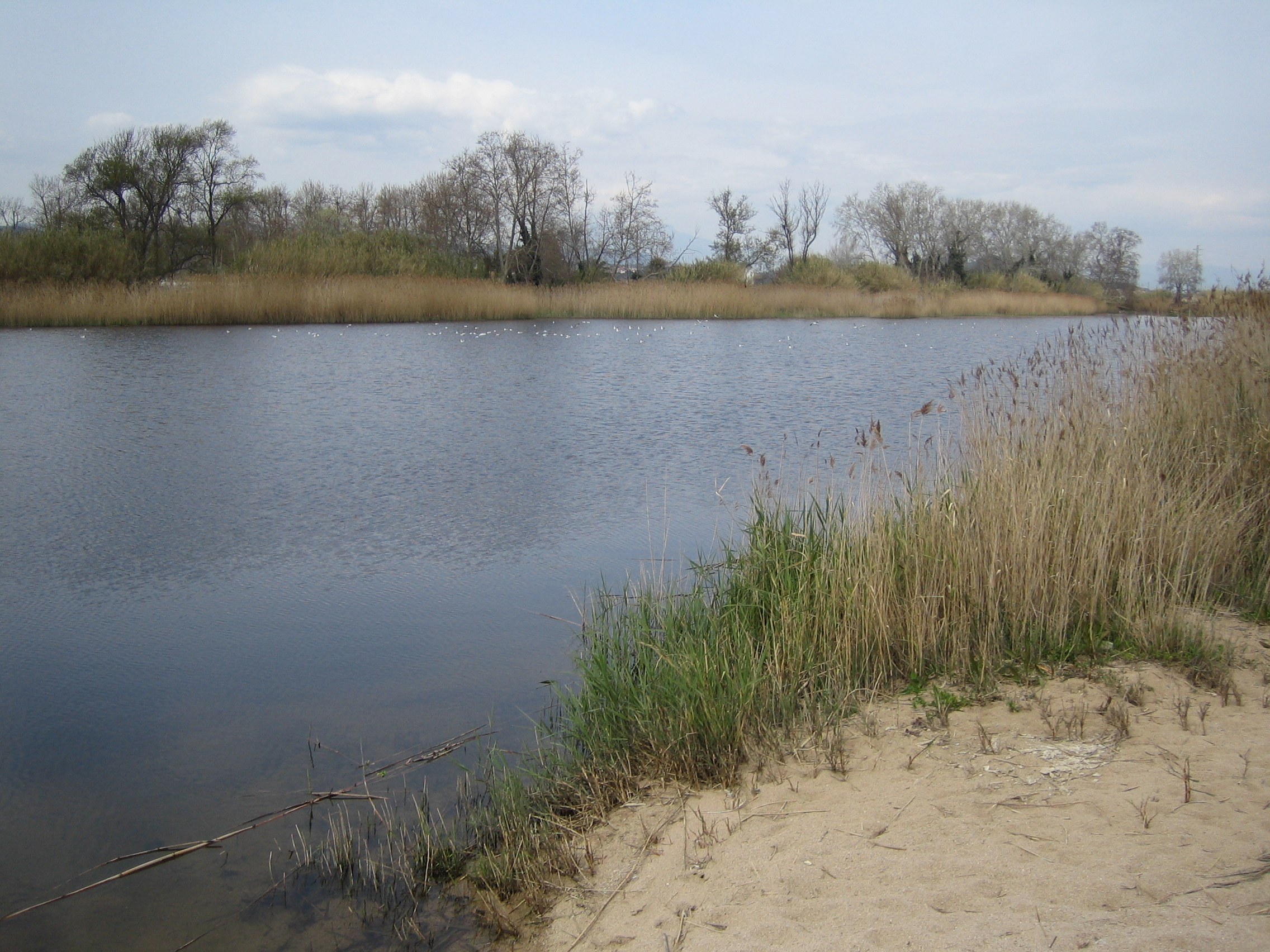
The Tordera mouth is, therefore, a wetland of great natural interest, included within the Natura 2000 network site ES5110007, known as “Riu i Estanys de Tordera”. The vegetation in the area, despite being heavily altered by the strong expansion of the reed (Arundo donax), still presents small remnants of elm, alder, or ash groves, and in the riverbed itself, perennial prostrate grasses typical of this type of river course proliferate.
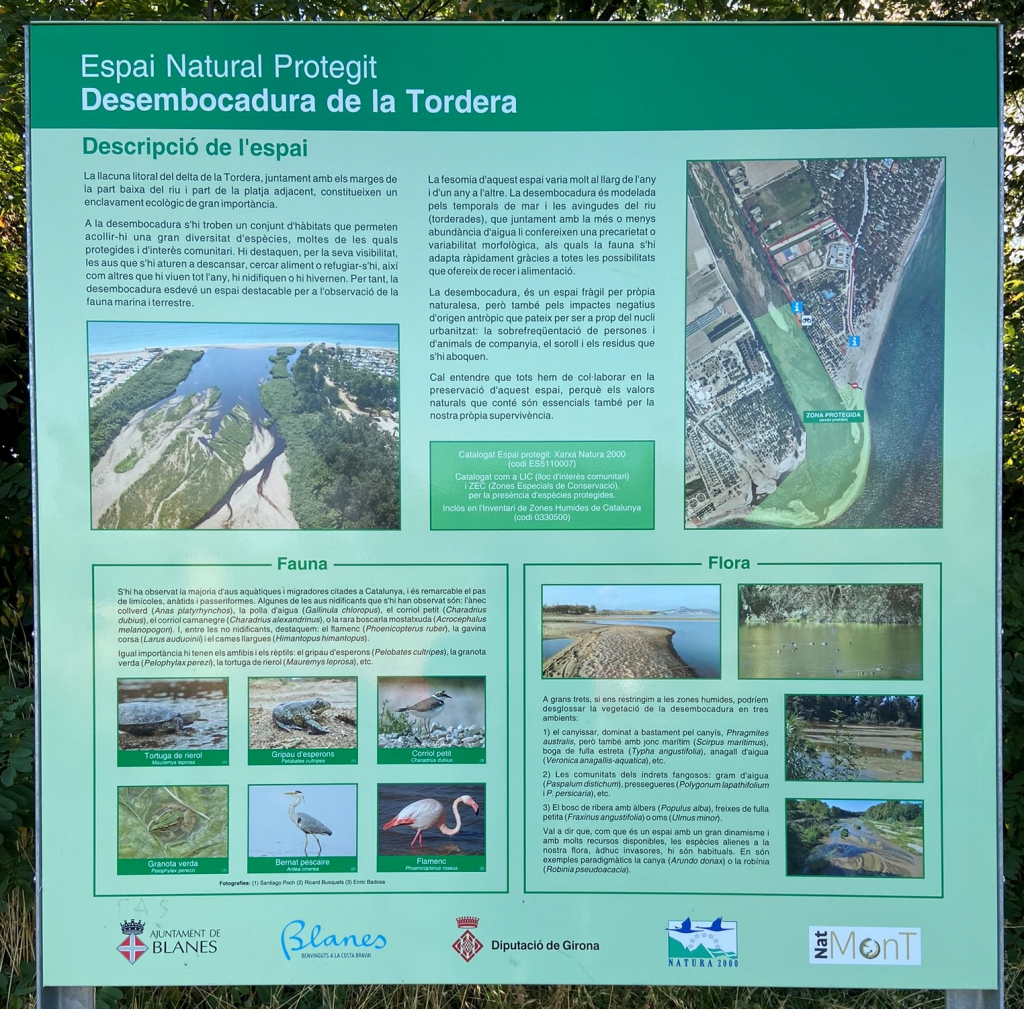
But the most interesting aspect at a natural level is the birdlife it hosts, where species such as the grey heron (Ardea cinerea), the black-crowned night heron (Nycticorax nycticorax), the common kingfisher (Alcedo atthis), the common sandpiper (Actitis hypoleucos), the squacco heron (Ardeola ralloides), and the little ringed plover (Charadrius dubius), among others, can be observed. But it is also the habitat for different species of amphibians and reptiles, such as the Mediterranean tree frog (Hyla meridionalis), the Spanish terrapin (Mauremys leprosa), or the grass snake (Natrix natrix), which serve as food for many of the birds present there.
But if there was a turning point for this space, it was after Storm Gloria. After many years of regression, the sea water ate more territory at the mouth every year, while the strong human presence, especially in summer, worsened the quality of the space year after year. The storm, despite the great negative effects it had on the basin, provided a large amount of sand and caused the space to grow again, gaining land from the sea and causing the coastal lagoon to grow.
Therefore, a negative dynamic of regression of the space was broken and, in addition, in the following months, the municipalities of Blanes and Malgrat de Mar took the important decision to limit access to the space, prohibiting entry to a large part of the lagoon. This fact, despite the uncivil behavior of certain citizens who ignore the warnings, has led to a significant recovery of the space, with more sightings of birds, some as interesting as the flamingos that stop there during their migration.
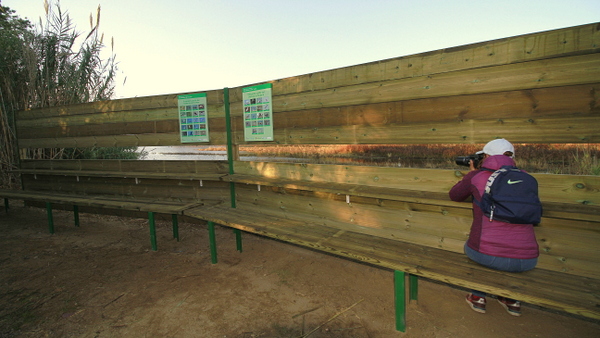
Currently, several points have been enabled for wildlife observation, both in the municipality of Malgrat de Mar and in Blanes, as we already explained to you in this article. In fact, from the deltadelatordera website, very interesting and detailed information about these points is offered, as well as parking areas. Likewise, as indicated on this website, in some bookshops in La Selva and Maresme, you can find posters of the birds of La Tordera, the profits from the sale of which are intended to collaborate with local entities that work to conserve the natural environment of La Tordera.
We hope that with this article we have provided you with information about this very interesting space, awakened your curiosity and, above all, conveyed to you the need to preserve the space and help with the actions of each one to generate the minimum impact during the visit.