From August 22 to 28, World Water Week is celebrated, a date that seeks to raise awareness about the importance of this essential natural resource and the need to use it responsibly in the face of the global challenges of climate change. The Tourdera Route, which connects Montseny with the Tordera delta, is a privileged example to understand how water shapes the landscape, biodiversity, and people’s lives throughout a territory.
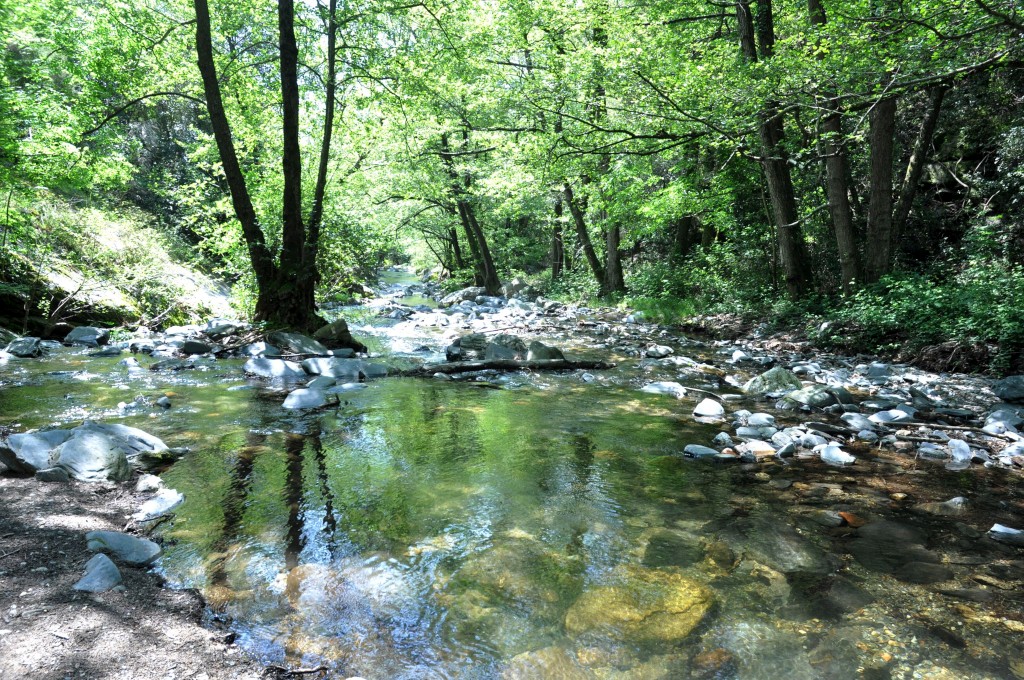
The route follows the two main river courses in the area: the Tordera river and the Arbúcies stream. The Tordera rises in the heart of Montseny, at Font Bona, and after more than 60 kilometers it flows into the Mediterranean between Blanes and Malgrat de Mar. Along the way, it receives water from numerous tributaries, most notably the Arbúcies stream, which crosses lush forests and provides a vital flow to maintain the valley’s ecosystems. These rivers are not only natural axes but also cultural and historical ones, as villages, mills, crops, and spaces for community life have developed around them.
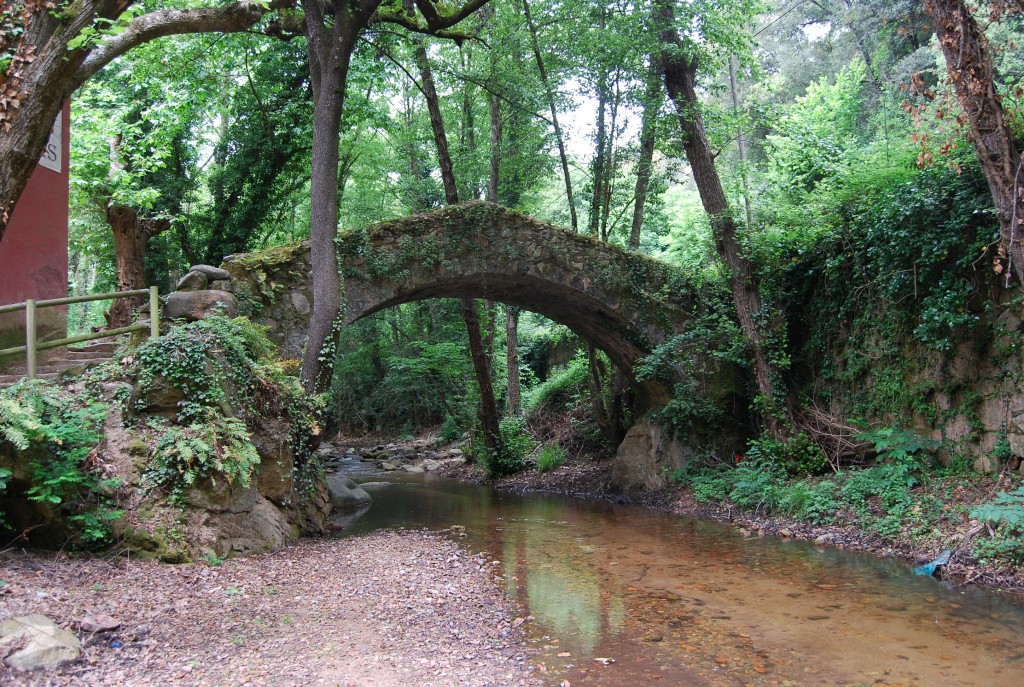
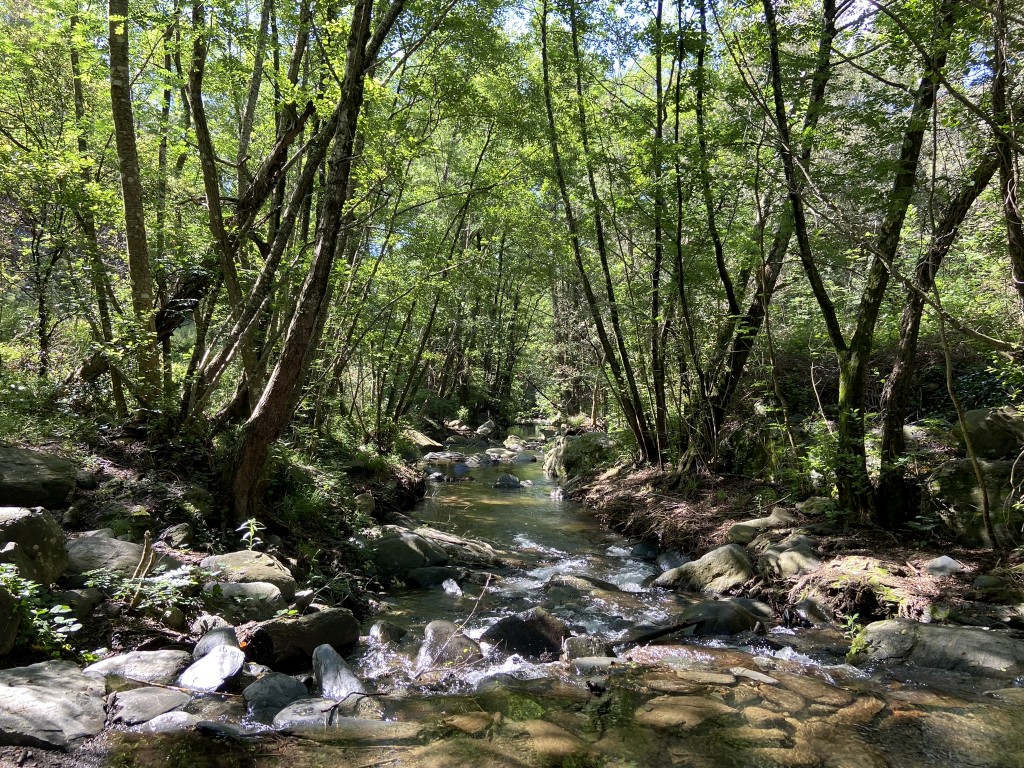
In Montseny, water is much more than a resource: it is a fundamental ecosystem service. Forests and soils act as a great natural sponge, filtering and distributing rainwater and regulating the flow of streams and aquifers. This guarantees stable, quality water suitable for human consumption, for crop irrigation, and for livestock, while maintaining vital habitats for native flora and fauna. Furthermore, water in Montseny has strong cultural and social value, as it has historically been a central element of community life. Preserving this ecosystem service is essential to ensure ecological balance and the well-being of the territory, from the mountains to the Tordera delta.
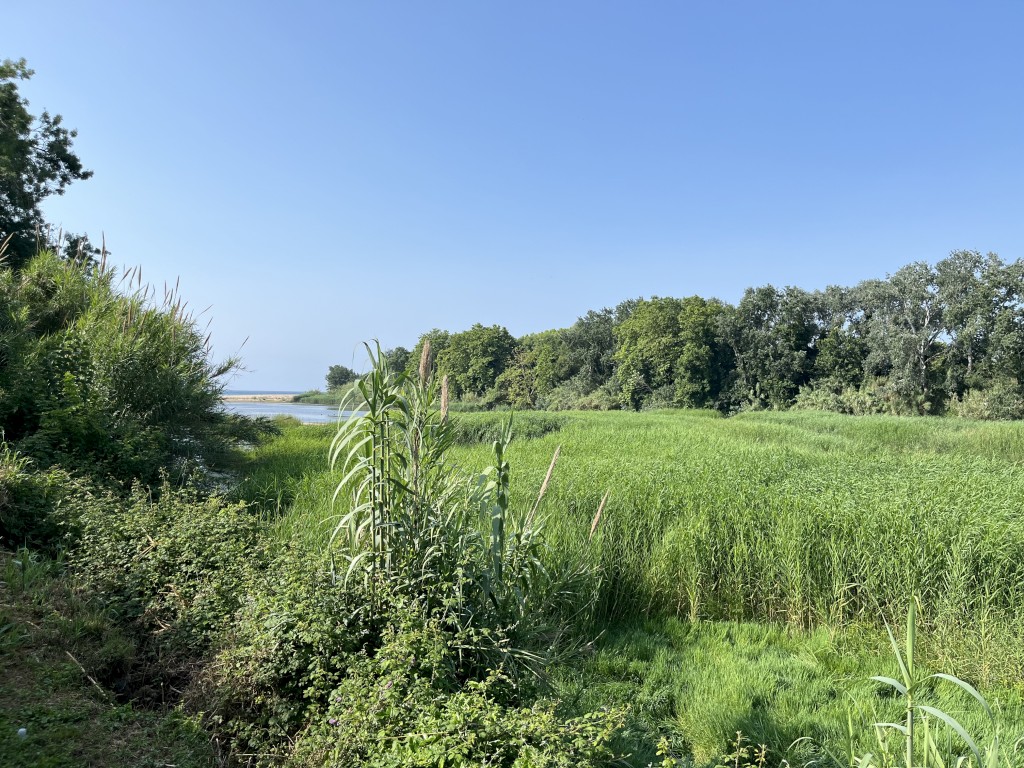
Water also gains importance in the Tordera delta, where it feeds lagoons, wetlands, and dune systems that protect the coastline and regulate floods. These environments are key points for biodiversity: migratory birds, amphibians, fish, and numerous flora species depend directly on this ecosystem. Wetlands also function as natural filters, retaining sediments and improving water quality before it reaches the sea. The delta’s water offers cultural and recreational services, such as bird watching, in addition to contributing to the sustainability of agriculture and livestock in this area.
However, this essential resource is threatened by climate change. More frequent and intense drought episodes, irregular rainfall, higher temperatures, and prolonged periods of low flow affect biodiversity, agriculture, livestock, and the water supply for the local population. Along the Tourdera Route, some sections of streams have less water, are more vulnerable to pollution, and have difficulty sustaining life and human activities.
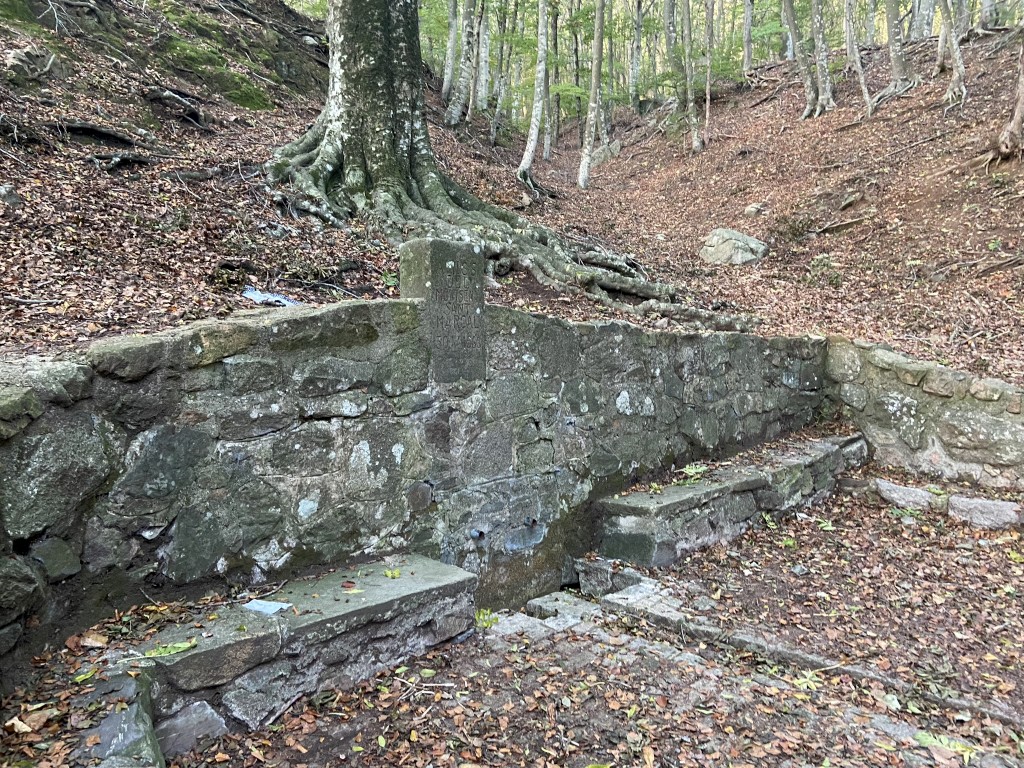
For this reason, during World Water Week, it is essential to remember the need to make responsible and efficient use of water. The Tourdera Route invites us, in short, to rediscover water as a common thread of a landscape and a collective history. From Montseny to the sea, the path reminds us that water is life and that its future depends on our present actions.