The archaeological site of the Roman city of Blanes: the remains of a Roman city in La Selva
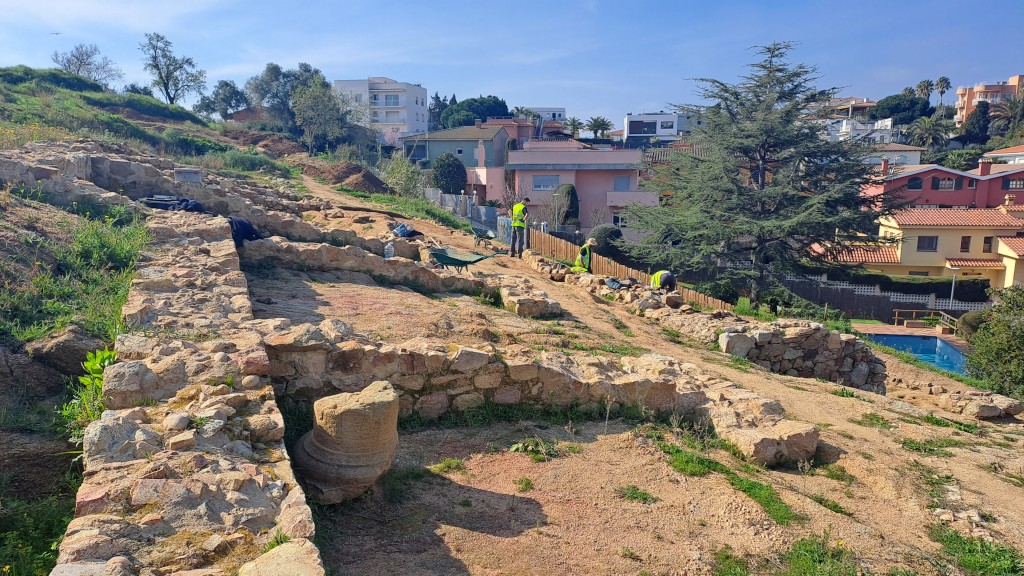
At the heart of the present-day municipality of Blanes, on the hill of Penya dels Padrets, lie the remains of one of the most important witnesses to the Roman presence on the coast of La Selva. This archaeological site, identified with the ancient city of Blandae, allows us to discover the history of a settlement that grew during a period of profound territorial transformations throughout romanization.
The first systematic archaeological excavations were carried out during the 1970s. Those interventions uncovered streets and buildings that revealed a planned urban organization. Although the urban development of the Sa Massaneda neighborhood affected a portion of the site, the preserved remains have continued to yield valuable information about the evolution of the Roman settlement in Blanes.
Subsequent excavations have made it possible to delve deeper into the chronology and characteristics of the settlement. Among the most significant findings is the identification of vestiges dating the start of documented Roman occupation to the 1st century BC, with structures dated approximately between 80 and 70 BC. These remains, which predate the consolidation of the regular urban grid, indicate that the occupation of the hill underwent several phases of development.
One of the most interesting aspects of Els Padrets is precisely its urban layout. Excavations have identified two main streets arranged perpendicularly, comparable to the cardo and decumanus, the customary axes of many Roman cities. The layout adapted to the terrain’s relief using ramps and stairs, while buildings were aligned along the streets. These structures paint a picture of an organized urban core with spaces designated for various daily activities.
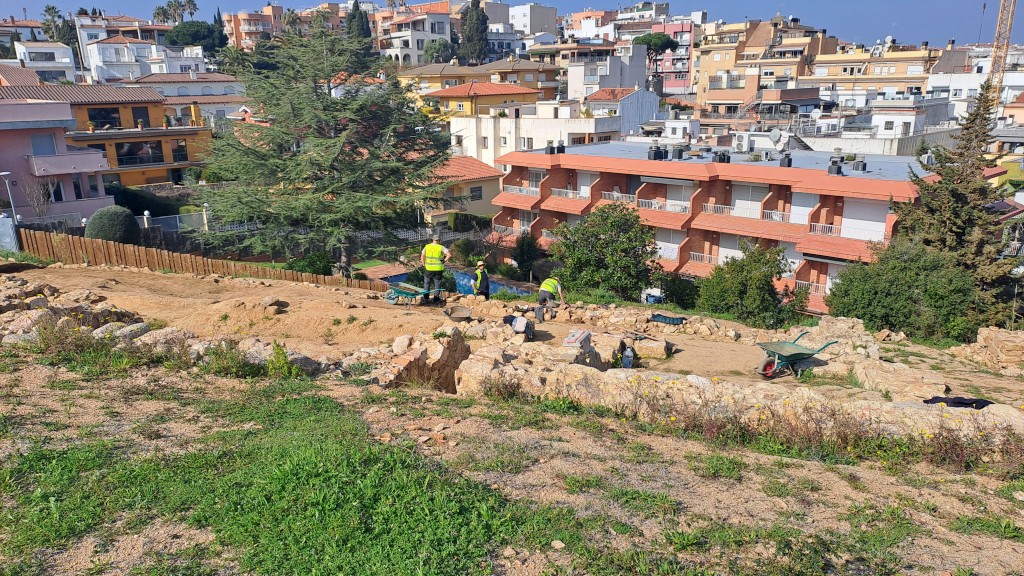
Research has also provided data on the economic life of its inhabitants. The remains of storage containers, silos, amphorae, and materials related to craft activities point to an economy that combined product storage, trade, and trades/crafts. Some recently excavated structures present multiple compartments and evidence of commercial and metallurgical activities—elements that help to better understand the function of this area of the city.
The recovered material culture, including ceramic materials and everyday objects, constitutes another essential source for reconstructing the lives of the inhabitants of ancient Blandae. Beyond the architectural structures, these finds make it possible to study the customs, domestic activities, and economic relationships of a community integrated into the Roman world.
The most recent archaeological interventions (2019–2023 and 2026 campaigns) have progressively expanded our knowledge of the site and highlighted its scientific potential. Each new campaign helps refine its chronology, identify its construction phases, and better interpret the settlement’s overall organization.
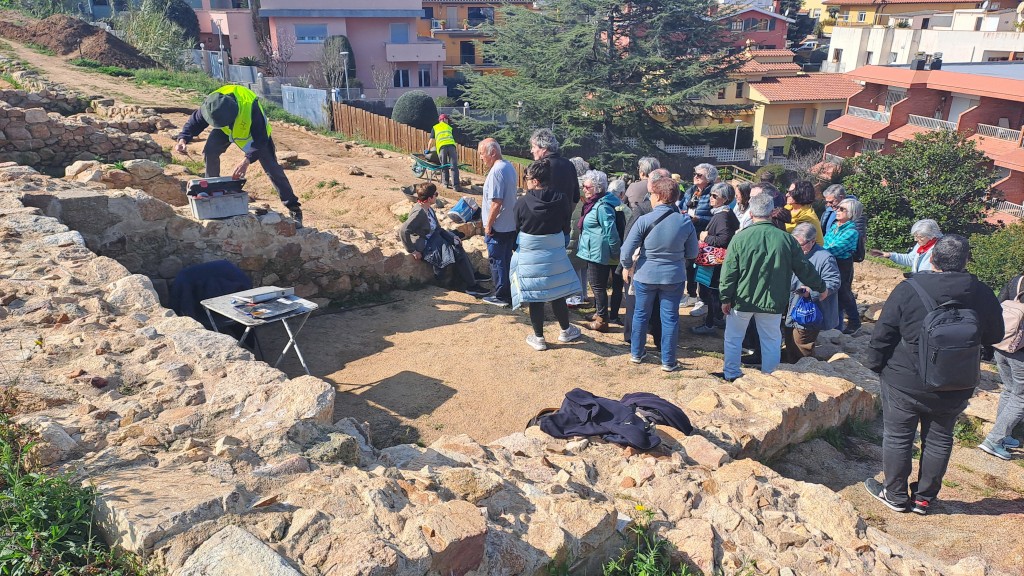
Els Padrets are, therefore, much more than ancient remains located within the current urban grid. They constitute a fundamental piece for understanding the Roman origins of Blanes and the historical evolution of the Girona coastline. Researching them reminds us that, beneath contemporary streets and buildings, a significant part of the territory’s memory is still preserved—which archaeology makes it possible to recover and make accessible to the public.
The Els Padrets Interpretation Centre ‘Blandae Roman City’
To bring this heritage closer to the public, Blanes features the Blandae Roman City Interpretation Centre, inaugurated on July 17, 2025, in the Sa Massaneda neighborhood, very close to the Els Padrets archaeological site. Located at Carrer de Sant Bonós, 5, the facility occupies a historical building that previously housed a seminary and later operated as the Els Padrets Cultural Centre.
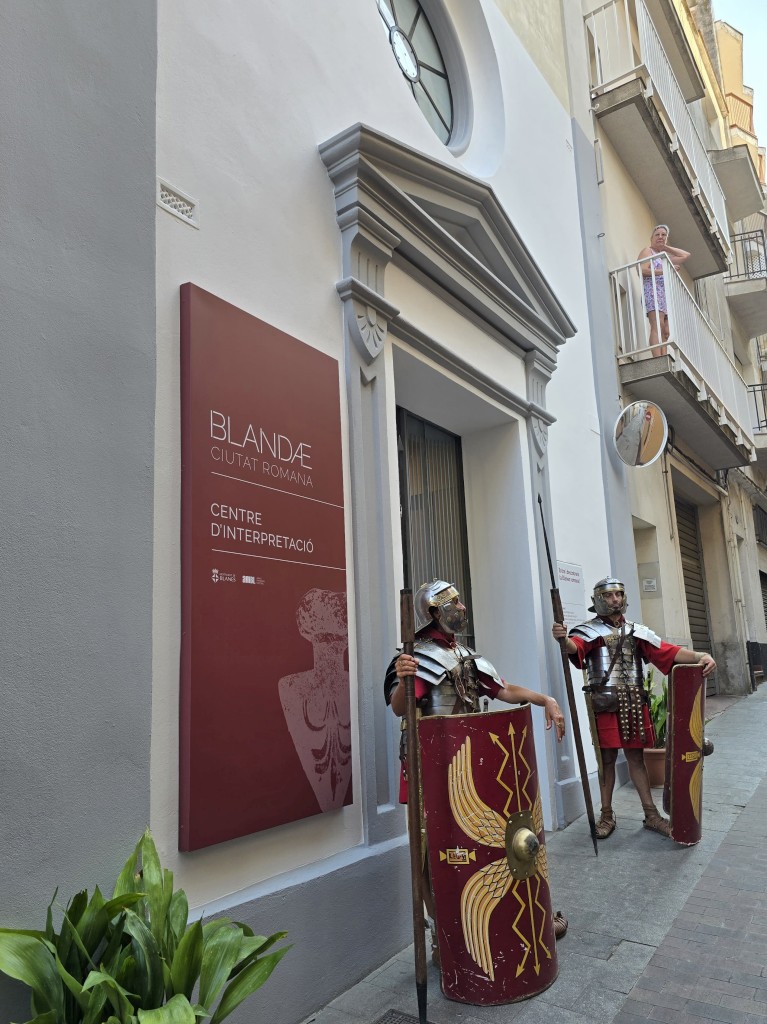
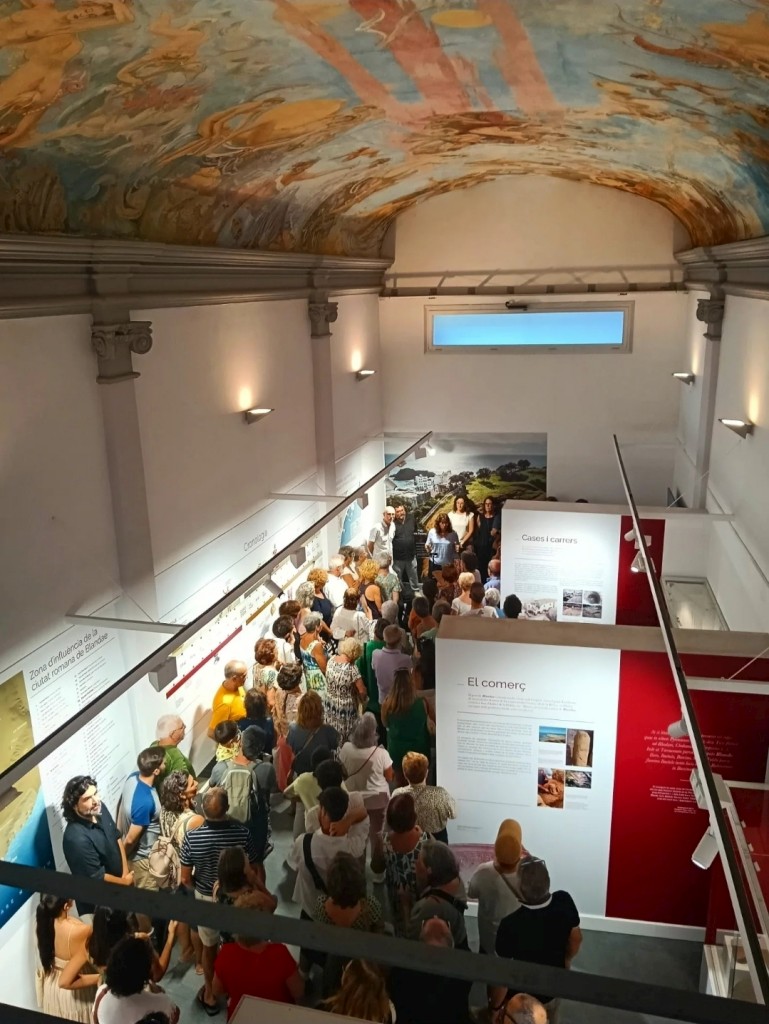
The centre aims to disseminate the knowledge gained from archaeological excavations and explain the Roman origins of Blanes. The permanent exhibition presents the historical context of Blandae, its relationship with other Roman cities in Catalonia, and the settlement’s evolution up to the formation of the medieval town and the modern municipality.
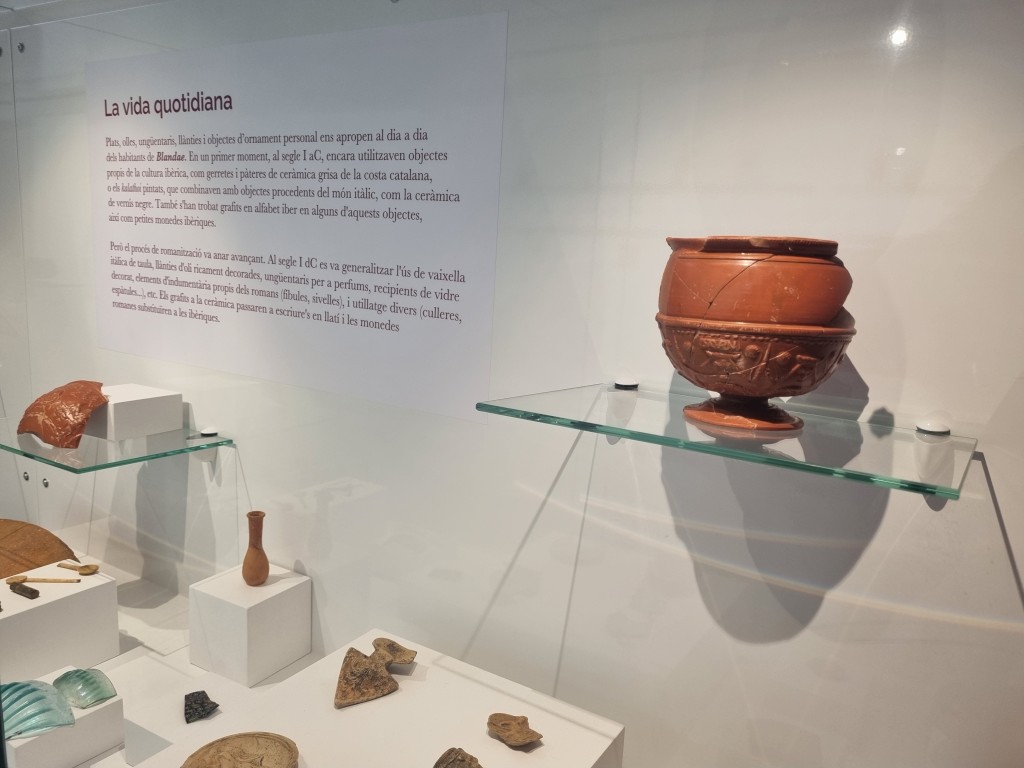
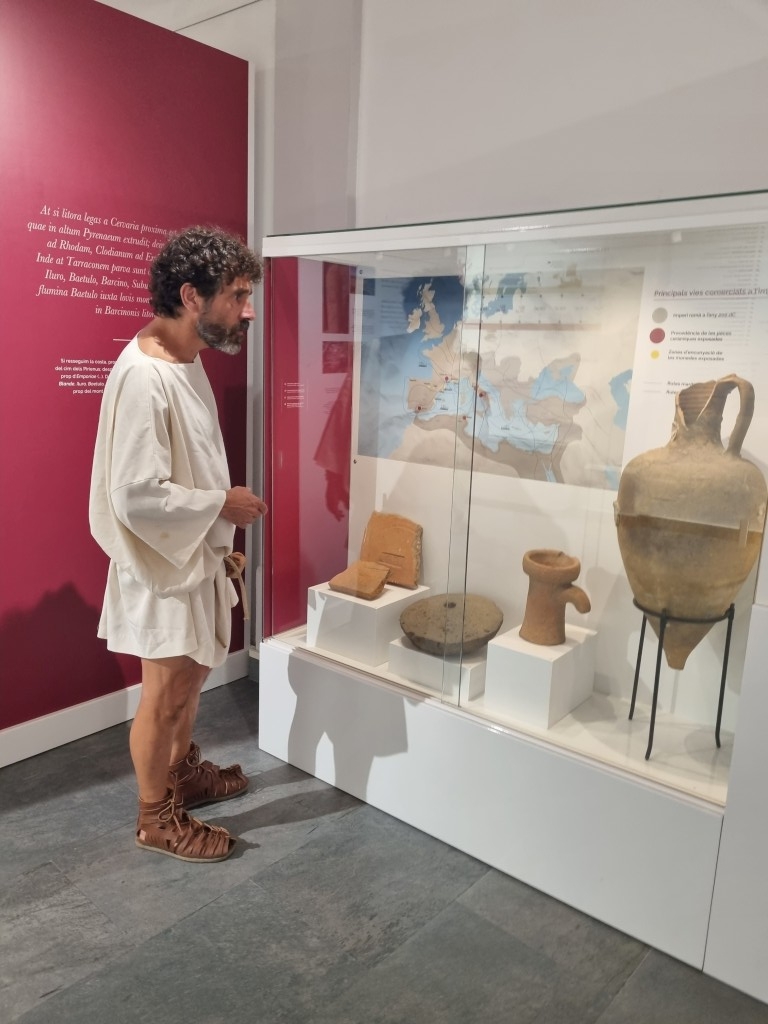
Through explanatory panels, maps, and display cases featuring archaeological materials, visitors can discover a selection of artifacts recovered during excavations at the site, such as coins, ceramics, lucernae (oil lamps), amphorae, and other everyday objects. This collection provides insight into the economic activities, customs, and daily life of the inhabitants of the ancient city.
The centre is part of a broader project for the research, conservation, and dissemination of archaeological heritage promoted by the Blanes Town Council. The initiative is complemented by excavations at Penya dels Padrets and archaeological monitoring of works being carried out in the Sa Massaneda neighborhood, where traces of residential sectors of the ancient city have also been documented.
In this way, the Blandae Roman City Interpretation Centre becomes an essential tool for communicating the results of archaeological research and enhancing the heritage value of Els Padrets, making Blanes’ Roman past accessible and understandable to everyone.
Visit to the Blandae Roman City Interpretation Centre:
Location
Carrer Sant Bonós, 5
(Former Padrets Chapel)
17300 Blanes
Contact
Tel. 972 355 268
638 403 682
arxiu@blanes.cat
More information
Check opening hours, guided tours, accessibility, and all the details to plan your visit at Centre d’Interpretació Blandae Ciutat Romana – Museu