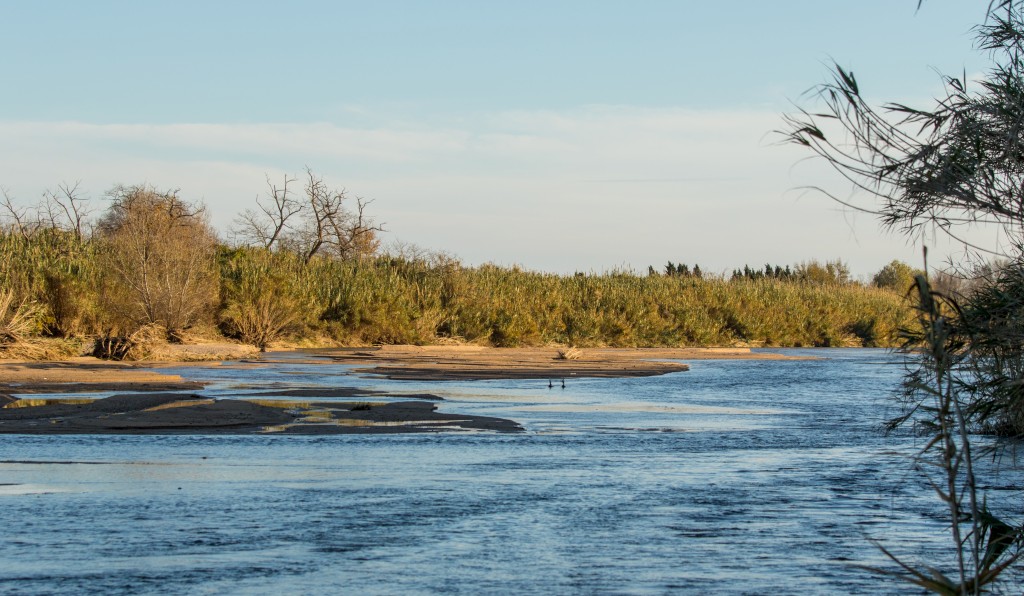
As we announced in our newsletter, on 10 and 11 April the “La Tordera Delta Inundable” Congress was held in Malgrat de Mar, an event aimed at addressing issues such as the flood risk of the Tordera and analysing the opportunities for renaturalising the Delta.
During the first day of the Congress, several talks were held, grouped into 3 thematic blocks:
- Block 1: Diagnosis of flood risk and climate change. This block addressed issues such as flood risk management in the face of advancing climate change; and the embankment plan, a set of protection systems for the river course of the Tordera.
- Block 2: Renaturalisation experiences. Different natural solutions to reduce flood risk were presented, and various successful cases that have been applied both in Catalonia and in the rest of the world were highlighted.
- Block 3: The case of the Tordera Delta: challenges and solutions. This block analysed the biodiversity of the Delta and focused on hydro-social governance, discussing how society must adapt to global change.
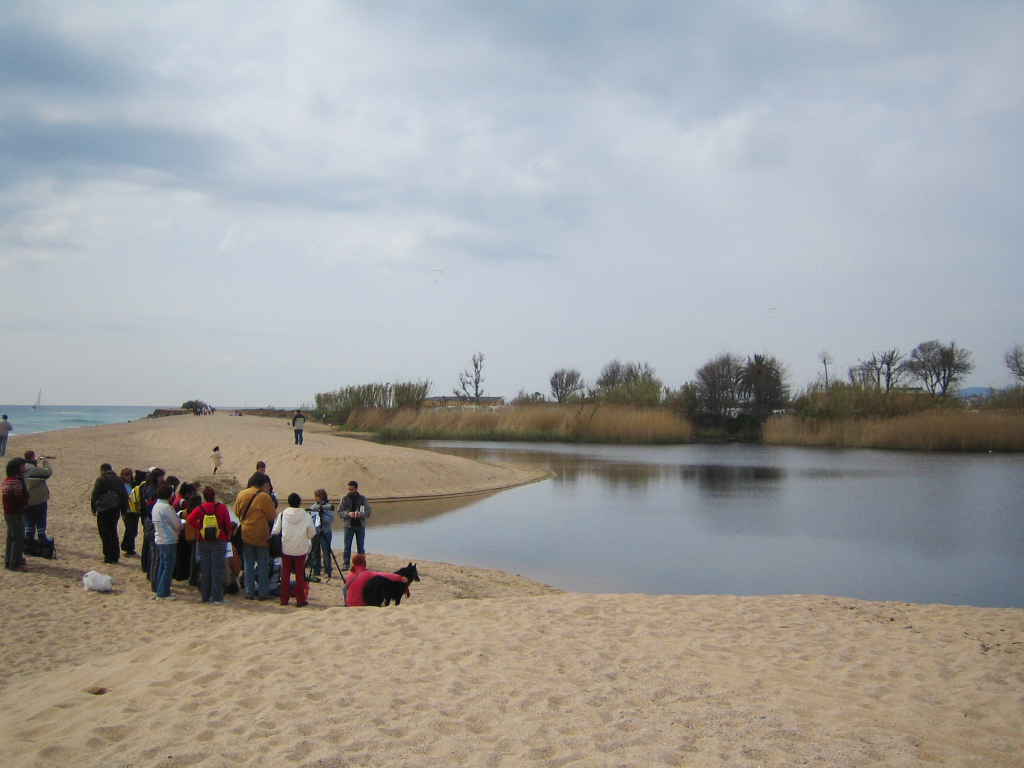
To conclude the day, a guided tour of the Tordera Delta was held to learn first-hand about the challenges and solutions to the problems faced by the river.

On the second day, several activities were held:
- A presentation on the comprehensive management of the Delta and which decisions will need to be made for the future
- A round table discussion to hear the points of view of scientific, tourism, agricultural, environmental and public stakeholders
- A participatory and collective mapping space, where critical points and restoration opportunities were analysed
During the Congress, the Catalan Water Agency announced the possible actions that can currently be carried out to protect the Tordera Delta. In 2022, after Storm Gloria in 2020 made clear the need to act in response to the real flood risk, three alternatives were proposed:
- Reinforce the current embankment up to 3 metres, a solution that would not affect agricultural activity.
-
Build a new embankment about 20-45 metres from the current one, protecting most of the agricultural area.
- Move the river protection margin about 500 metres to Rec Viver.
According to what was presented during the congress, the chosen option was the third alternative, which will affect a significant part of the agricultural area of Pla de Grau and lead to the closure or relocation of campsites located in areas at extreme risk of flooding. In this regard, the farmers of Pla de Grau, through the Cooperativa Agrícola El Progrés-Garbí, have issued a letter to the public, in which they express their concern about the uncertainty surrounding the agricultural future of the area and of the 30 families who depend directly on this activity. The farming community demands that environmental protection and the protection of people not come at the cost of destroying local agriculture, and they regret that the decision was made without any real dialogue with those affected.